
Why EuroShield Is the Year-Round Choice
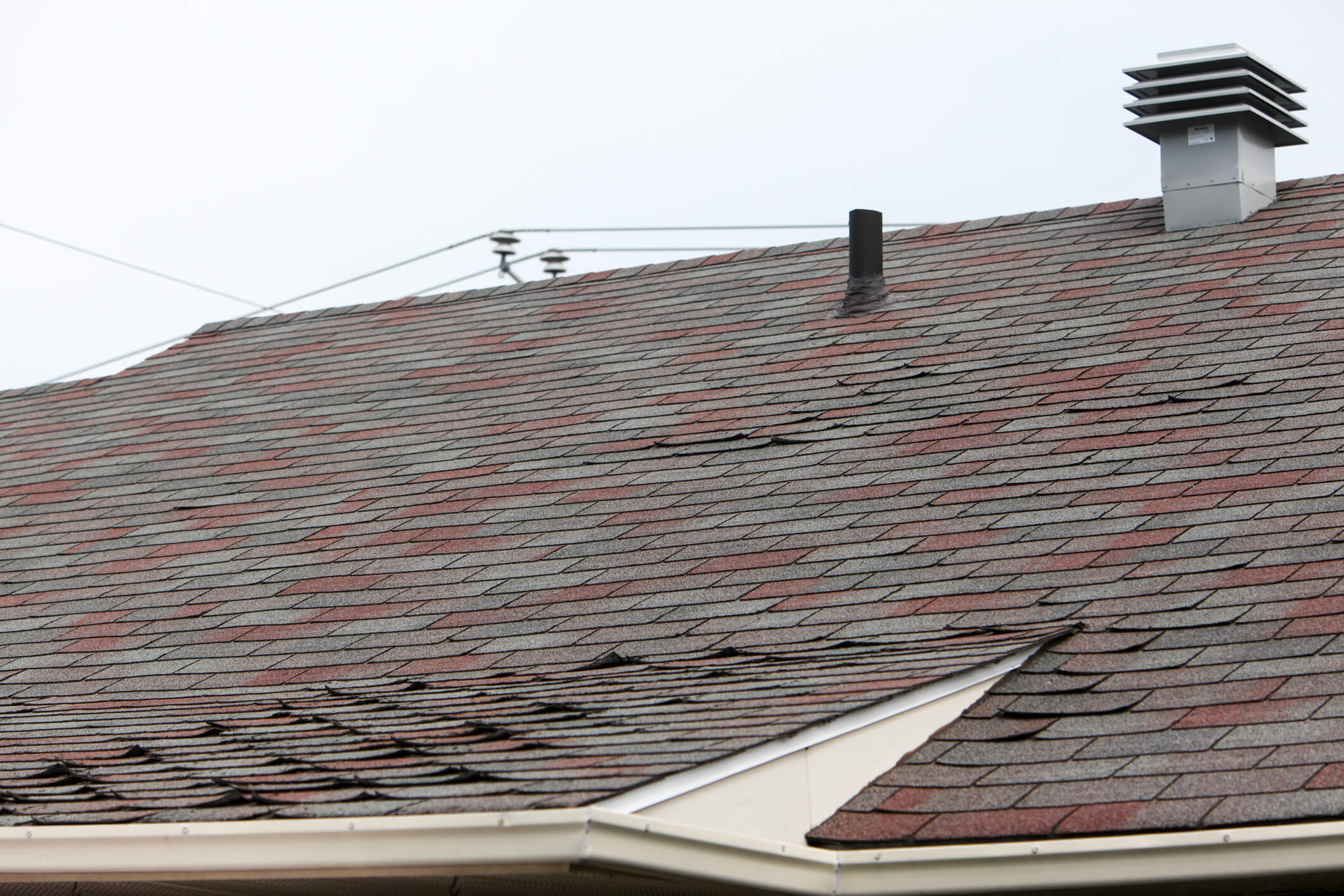
Midwest homeowners face one of the country’s most challenging roofing environments. Summers bring intense heat that drives up cooling costs and strains HVAC systems. Winters deliver the opposite extreme with rapid freeze-thaw cycles, heavy snow loads and ice dams that work under shingles and into walls. Conventional asphalt roofing materials struggle under this seasonal pressure, cracking in the cold and failing to regulate heat when temperatures climb.
EuroShield is the year-round choice because it’s engineered differently. Rather than compromising in one season to survive another, the material is built to perform across all four. Keep reading to learn how these roofing materials compare for all seasons and why it matters for your home.
How EuroShield Performs in Summer
Heat transfer into the attic is one of the primary drivers of high cooling costs during Midwest summers. When your roof can’t effectively block or release heat, your HVAC system runs longer and works harder to maintain comfortable indoor temperatures. EuroShield’s summer performance comes from two distinct engineering features that address this challenge.
Underside Ribbing and the Thermal Break Effect
EuroShield panels feature ribbing on the underside that creates a dead air space between the shingles and the roof deck. This air gap functions as a thermal break, which is a layer of insulation that significantly reduces heat moving into the attic during peak summer. EuroShield’s ribbed design interrupts the thermal transfer pathway that occurs when flat asphalt shingles sit flush against the deck and conduct energy directly into your home.
The thermal break effect helps maintain stable attic temperatures even when the roof surface is absorbing direct sunlight. This design can potentially reduce HVAC energy demand by 10%–20%, making a significant difference during peak cooling months.
UV Stabilizers and Heat Release
EuroShield’s climate performance comes from its dense rubber composition. It’s engineered with UV stabilizers — specifically carbon black — that absorb sunlight and release it as thermal energy back into the air rather than transferring it into the home. This process continues throughout the day as the roof surface heats up under direct sunlight.
UV stabilizers function as both UV protectors and heat management tools. EuroShield uses the maximum amount of stabilizer needed to optimize thermal transfer, meaning the material actively works to prevent absorbed heat from reaching your attic space. For homeowners in La Crosse and Winona, this translates to measurable savings on summer utility bills and less strain on cooling equipment.
How EuroShield Handles Midwest Winters
Rapid temperature swings, sustained freeze-thaw cycles, heavy snow loads and ice formation expose the structural weaknesses of conventional asphalt shingles each winter. EuroShield winter performance is built around three core advantages that address these extreme weather conditions directly:
- Freeze-thaw resistance: EuroShield rubber roofing remains flexible in extreme climates, including temperatures as low as minus 40°F. It can expand and contract through thermal fluctuations without cracking or structural failure. Asphalt shingles become less pliable as temperatures drop and may fracture or break apart in frigid weather. Freeze-thaw cycles cause shingles to split, flashing to loosen and roofing materials to erode over time.
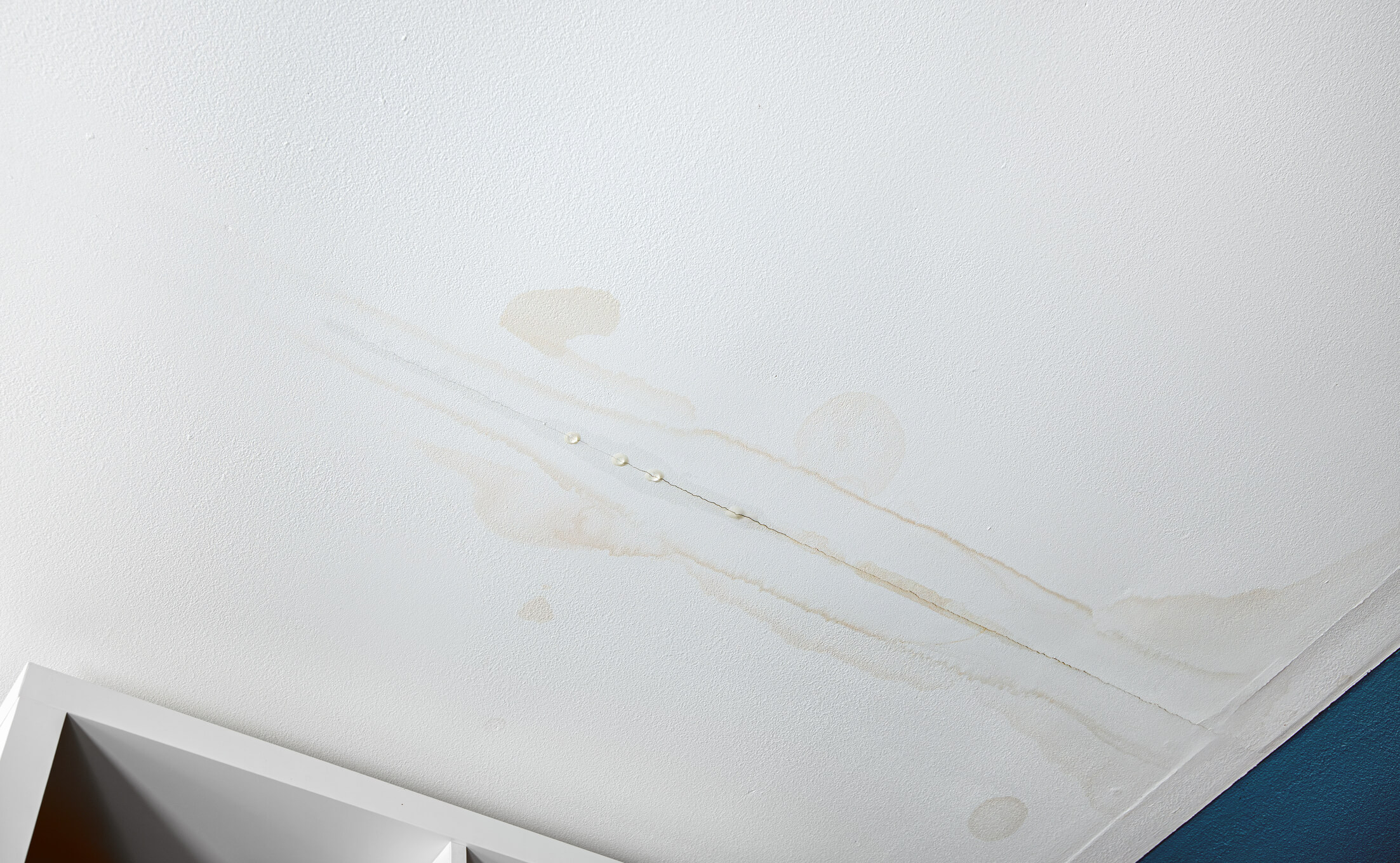
- Ice dam prevention: EuroShield’s thermal resistance helps maintain a more consistent roof deck temperature, limiting the hot spots that cause snow to melt unevenly and refreeze at the eaves. Ice dam formation occurs when higher portions of the roof are above freezing while the eaves remain below 32°F. Nonuniform surface heating is the primary cause. Once the ice ridge forms, water backs up behind it and infiltrates walls, ceilings and insulation. EuroShield’s even thermal profile disrupts this cycle before it starts, offering reliable ice dam prevention.
- Hail protection: Wisconsin and Minnesota experience hail events from spring through early winter. EuroShield’s Class 4 UL 2218 impact rating means it can withstand hailstones up to 2 inches in diameter, which is the highest impact resistance classification in the roofing industry. This level of hail protection extends beyond winter into the spring and summer storm-damage season.

More Year-Round Benefits of EuroShield
The material’s core engineering delivers benefits that remain active throughout the year, from impact resistance and financial savings to long-term durability and environmental responsibility.
Impact Resistance
The Class 4 UL 2218 rating measures overall material resilience, protecting against hail and more. This designation evaluates how the rubber construction handles wind-driven debris, falling branches and the general mechanical stress of extreme weather across all seasons. EuroShield has never had to replace a panel due to hail damage in over 20 years of operations.
This rating has proven itself in real-world conditions. EuroShield withstood category five sustained winds of 186 mph during Hurricane Irma. Whether it’s a summer storm, a winter ice event or a spring hailstorm, the Class 4 impact-resistant roofing designation means the material is built to absorb strikes without compromising performance or requiring replacement.
Long-Term Savings
EuroShield roofing delivers HVAC longevity and insurance savings. When the roof regulates temperature effectively across both seasons with a thermal break in summer and thermal resistance in winter, HVAC systems don’t have to work as hard year-round. This reduces wear and tear and extends system lifespan. The benefit extends beyond lower monthly energy bills to cumulative, long-term equipment preservation that delays the need for costly HVAC replacement.
Class 4 impact-resistant roofing can also help reduce homeowner insurance premiums through discounts ranging from 5% to 35%, depending on the carrier and state. Minnesota homeowners typically see discounts of 10% to 20% for a measurable return on investment that goes beyond roofing performance.
Durability, Warranty and Sustainability
EuroShield is engineered as a durable, long-term roofing solution. The rubber composition resists UV degradation, impact and thermal stress without the brittleness and granule loss that shortens asphalt shingle lifespans. All EuroShield roofs are covered by a long-term warranty, giving homeowners peace of mind during severe weather.
Beyond performance, EuroShield is made from approximately 95% recycled materials, primarily recycled tire rubber. Production of one EuroShield roof for an average-sized home uses 250 to 1,000 rubber tires that would otherwise go to a landfill. For homeowners who value sustainable roofing benefits alongside all-season roofing performance, EuroShield represents an eco-friendly investment while solving a practical roofing challenge.
Protect Your Home Year-Round With Ace of All Trades
You’ve seen the technical proof. Now it’s time to connect with the contractor who can deliver it. Ace of All Trades is the official EuroShield installer for the Coulee Region, bringing both product-specific certification and owner-led quality control to every installation. When you choose a premium roofing system like EuroShield, the installer matters as much as the product itself.
Whether you’re ready to schedule a consultation or want to discuss how year-round EuroShield roofing fits your home’s specific needs, the Ace of All Trades team is here to help. Contact us today to get started or call us at 1-608-650-5252 to speak with a roofing specialist.