
Winter Roof Inspection Checklist: What to Look for Before the Snow Falls
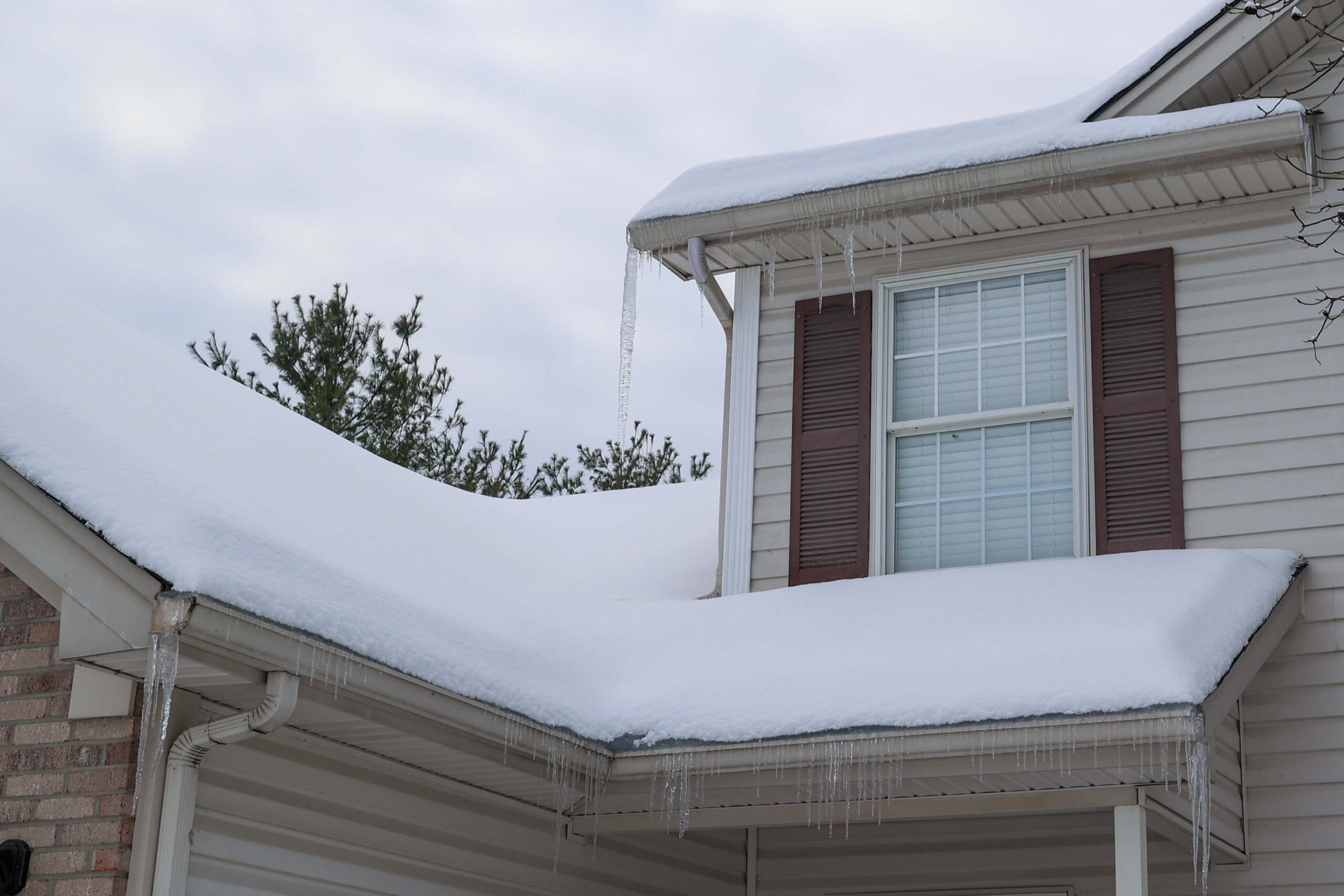
The first snowfall can be beautiful until you notice water dripping from your ceiling or ice forming along your roofline. Winter weather in the Coulee Region brings heavy snow loads, freeze-thaw cycles and ice dams that can turn a small roof problem into a costly disaster. An annual inspection is your opportunity to catch problems while they’re still manageable, and fall is a great time for it.
This checklist covers what to look for both outside and inside your home, from damaged shingles to early signs of leaks.
Exterior Roof Inspection Checklist
Your winter roof maintenance starts with what you can see from the ground. Walk around your property with binoculars on a clear day and check off the following from your winter roof inspection checklist.
Check for Damaged or Missing Shingles
Scan your roof for obvious signs of shingle damage, including:
- Cracked shingles: Look for visible splits or fractures running through individual shingles.
- Curling edges: Check whether shingle edges are lifting away from the roof surface or curling upward.
- Missing shingles: Even a single missing shingle creates a direct entry point for water, and when that water freezes and expands during Coulee Region winters, the damage can spread quickly.
- Bubbling or blistering: Watch for raised bumps or blisters on the shingle surface.
- Bald spots: Areas where protective granules have worn away expose the underlying material to ultraviolet damage and water penetration, accelerating deterioration.
Look for Signs of Pests or Animals
Check your gutters, soffits and visible vents for signs of nesting material — birds, squirrels and other animals seek shelter in roof structures as temperatures drop. You may notice small holes or gnaw marks around roof edges, especially near the eaves.
Animal activity can create conditions conducive to roof damage. For instance, nests can block gutters and downspouts, contributing to ice dam formation. More seriously, animals can chew through shingles and underlayment, creating entry points. Once water finds these openings, freeze-thaw cycles expand the damage throughout winter.
Inspect Your Gutters and Downspouts

When gutters fill with leaves and debris, water can back up onto your roof, pool along the edge and freeze when temperatures drop. This creates ice dams that force water underneath your shingles and into your home. Look for these warning signs when conducting a roof inspection before winter:
- Visible debris and blockages: Examine gutter channels and downspout openings for leaves, twigs and sediment accumulation.
- Standing water or overflow marks: Watermarks on the outside of gutters or standing water that remains after recent rain indicate drainage problems.
- Sagging or pulling away: Watch for sections where gutters have separated from the fascia or sag noticeably under the weight of debris.
- Downspout discharge points: Confirm that water exits at least five feet from your foundation. Shorter discharge distances allow water to pool near the building, where it can freeze and cause foundation or basement issues.
Check for Overhanging Branches and Debris
Trees near your roofline create ongoing concerns during the winter months. Assess the area around your roof for these signs:
- Overhanging branches: Branches that are too close can scrape shingles during a windstorm. Similarly, heavy snow or ice loads can cause them to break and fall onto your roof.
- Dead or damaged limbs: These branches are particularly vulnerable to breaking in winter weather.
- Existing debris accumulation: Check roof valleys and areas near the chimney for leaves, pine needles and organic material as they can trap moisture against your shingles and accelerate deterioration.
Interior Roof Inspection Checklist
Part of your pre-winter roof inspection should include checking your attic and interior ceilings for signs of existing issues.
Inspect Your Attic for Leaks and Proper Ventilation
The attic provides the clearest view of your roof’s condition from the inside, revealing problems you can’t see from the ground. During your roof inspection, look for these warning signs:
- Light coming through the roof deck: These spots show exactly where water can enter during rain or snowmelt.
- Water stains: Dark streaks or discoloration on the underside of your roof deck or rafters can indicate past or ongoing leaks.
- Wet or compressed insulation: Look for areas where insulation appears darker, matted down or noticeably thinner than surrounding sections. Wet fiberglass insulation loses its fluffy appearance and may show water stains or mold growth.
- Warm attic temperature: A properly ventilated attic feels cold in winter, close to the outdoor temperature. If yours feels warm, escaping heat is melting snow from beneath and creating conditions for ice dams. Escaping heat also allows moisture-laden air to condense on cold surfaces, leading to frost, mold and insulation damage.
If you find signs of a leak during your roof preparation for winter, seeking professional help can protect your home from more extensive damage.
Examine Interior Ceilings for Water Stains
Examine ceilings in every room, paying special attention to corners and areas near exterior walls. Water stains typically appear as yellowish or brownish discoloration, sometimes with a darker ring around the edges. These marks indicate water has penetrated your roof and traveled through the structure to reach your living space.
3 Red Flags That Require a Professional
While the checklist above helps you identify potential concerns, certain signs indicate serious problems that need immediate professional attention.
1. Visible Roof Sagging or Unevenness
A healthy roof should have clean, straight lines. If you notice any dips, curves or sagging sections, you’re seeing evidence of a structural problem that could indicate damaged decking, compromised rafters or inadequate support. In this case, it’s crucial to have a professional evaluate your roof before winter to determine whether it can safely handle heavy snow and ice.
2. Widespread Shingle Damage
One or two damaged shingles are a straightforward repair. However, damage across large sections of the roof often means it’s approaching the end of its useful life.
While targeted repairs can address isolated problems, extensive deterioration often means roof replacement is the more cost-effective solution. This provides an opportunity to upgrade to a weather-resistant roof system designed to withstand Wisconsin winters.
3. Evidence of Large Leaks or Significant Water Stains
Are there large wet areas in your attic, water stains appearing in multiple rooms or active dripping during or after rain? These suggest extensive water intrusion, requiring professional roof repairs.
Schedule a Professional Inspection Today
While this checklist helps you spot common issues, a professional roof inspection provides the expertise needed to fully assess your roof’s condition. At Ace of All Trades, our locally owned and operated team delivers roof inspections that La Crosse, WI, residents trust season after season. As a CertainTeed and GAF Certified contractor with a Better Business Bureau A+ rating, we take a customer-first approach to every inspection and roof repair that La Crosse, WI, residents need to protect their homes.
Contact us today or call us at 608-650-5252 to get started.